

1. The third drop of 2026 🎒
On September 15, 2026, Mojang released Wilderness Bound, the third game drop of the year, arriving as Bedrock 26.50 and Java 26.3. After the cute baby mobs of Tiny Takeover in March and the physics chaos of Chaos Cubed in June, this drop turned toward adventure and the outdoors. Its theme is simple and charming: pack your camping supplies, follow your map and explore a new forest full of autumn colors. Wilderness Bound brought a new biome, a new wood type, new structures, new ways to rest during long journeys and several building blocks that players had requested for years. On my channel I covered it from the first day, with a review of the official release on Android and the hotfixes that followed, and those videos are embedded in this article. Here I go through every feature in depth, with the background of why it matters, how it connects to Minecraft history and what it means for mobile players. Whether you already updated or are still deciding, this guide will help you get the most out of Wilderness Bound. 🏕️
2. Background: game drops and year-based versions 📜
To understand Wilderness Bound, it helps to remember how Minecraft updates work now. For many years Mojang released one huge update per year, like Caves and Cliffs or Trails and Tales. A couple of years ago, the studio shifted to smaller game drops released several times per year, so players get new content more frequently. In 2026 Mojang also adopted year-based version numbers, where the first number is the year: Bedrock 26.10, 26.30 and 26.50 correspond to the first three drops of 2026, while Java uses 26.1, 26.2 and 26.3. Each drop goes through a testing phase in Bedrock Preview and Java snapshots, where players try features early and Mojang adjusts them based on feedback. Wilderness Bound was first shown at Minecraft Live in May 2026, during the TwitchCon edition, and its name was officially announced on September 10, five days before release. This rhythm means updates feel smaller individually but add up quickly, and it explains why mobile players see new version numbers so often in my videos. 🗓️
3. The Dappled Forest biome 🌲
The star of Wilderness Bound is the Dappled Forest, a new biome that captures the feeling of autumn. It is filled with tall poplar trees in fiery colors, so you can spot it from far away. The ground is decorated with red shrubs, fallen logs and mushrooms, creating a cozy and slightly wild atmosphere that feels perfect for camping stories. Biomes have always been at the heart of Minecraft exploration, and the game has added many over the years, from cherry groves to pale gardens, each giving builders new palettes and explorers new destinations. The Dappled Forest stands out because it is designed around a theme of adventure rather than danger, inviting you to set up camp and enjoy the view. One important detail for existing worlds: like any new biome, it only generates in new chunks. If you open an old world, you must travel to unexplored areas to find it, and a Nether trip is a classic way to cover distance fast. For new worlds created in 26.50 or later, it can appear like any other forest biome. 🍂
🧠 Interactive concept map
🌲 Dappled Forest
Fiery poplar trees, red shrubs, fallen logs and mushrooms.
🪵 Poplar wood
Grayish wood that matches stone and pale oak.
⛺ Abandoned Camps
Fire, shelter and loot. Loot adjusted during betas.
🛋️ Cushions
16 colors, three wool slabs, you can sit on them.
🌾 Straw beds
Skip the night without resetting spawn. Single use.
🧱 New shapes
Wool and concrete stairs and slabs. Stonecutter support.
👆 Tap any branch to open it
4. Poplar wood and red shrubs 🪵
With the Dappled Forest comes a new wood type: poplar. Like every wood in Minecraft, it brings a full set of building blocks, giving builders another color to play with. According to Mojang, poplar wood has a grayish tone that combines nicely with stone and pale oak, which makes it ideal for rustic cabins, modern houses and medieval builds that need a calm, neutral wood. The history of wood types in Minecraft is a story of builders asking for more variety: from the original oak, spruce and birch, to jungle and acacia, dark oak, mangrove, cherry, bamboo and pale oak, each addition opened new styles. The red shrubs of the Dappled Forest have a special property: their color is not tinted by the biome, so if you take them to another biome, they stay red. That is a small but meaningful detail for decorators, because many plants change color depending on where you place them. With poplar wood and red shrubs, you can bring autumn vibes to any build, anywhere in your world. 🏠
5. Abandoned Camps ⛺
Exploring the Dappled Forest, you may find Abandoned Camps, a new structure that usually includes a fire, a covered area and containers with loot. They tell a small story: someone camped here, left in a hurry, and you can explore what they left behind. Structures like this connect to Minecraft’s tradition of environmental storytelling, from ruined portals to trail ruins and trial chambers, where the world hints at past events. During the 26.50 beta cycle, Mojang adjusted the loot of these camps several times. In one beta, gunpowder replaced firework rockets in the loot tables and barrels were used to hide new items, and later betas repaired how the camps generate. These changes show how the preview program shapes features before release. For survival players, Abandoned Camps are a nice early-game boost, offering supplies that help you continue exploring. As with all structures, they only appear in newly generated chunks of the biome. If you find one, take a moment to enjoy the atmosphere before looting it, and consider turning it into a waypoint for your own camping adventures. 🔥
6. Cushions: finally, a place to sit 🛋️
For years, Minecraft players have built chairs out of stairs and slabs, but sitting on them was impossible without addons. Wilderness Bound changed that with cushions. You can place a cushion on flat surfaces and interact with it to sit down, finally letting your character rest at a table or by the fire. Cushions come in 16 colors and are crafted with three wool slabs of the same color. They can overlap with other objects, so you can place them on slab chairs or other decorations, and later betas allowed cushions to share space with blocks like chains, honey blocks and sniffer eggs. They break if the block beneath them is removed. Mojang also fixed details during testing, for example making cushions stop blocking vibrations, so they do not interfere with sculk sensors, and the 26.52 hotfix fixed cushions disappearing when unloaded chunks reloaded. Players immediately got creative: the community has used cushions to build pixel screens, minigames like Minesweeper and decorative furniture. It is a perfect example of a small feature with huge creative potential. 🎨
7. Straw beds for long journeys 🌾
Another clever addition is the straw bed. Normal beds reset your spawn point, which can be a problem when you are far from home and do not want to respawn in the middle of nowhere if you die. Straw beds let you skip the night without resetting your spawn point, so you can sleep safely on an expedition and still return home if something goes wrong. They are crafted from three hay bales, which produce four straw beds, and each one is single use, breaking after you sleep. They cannot be used in the Nether or the End, just like normal beds would be dangerous there. There is even a new statistic tracking time spent sleeping in them. This feature fits the camping theme perfectly and solves a real problem that explorers have discussed for years. Combined with backpacks, maps and the new biome, straw beds make long trips more comfortable and strategic. Bring a stack of hay bales, craft beds when needed and keep your home spawn safe while you explore distant lands. 🛏️
| Feature | Type | How to get it | Why it matters |
|---|---|---|---|
| Dappled Forest | Biome | Explore new chunks | New autumn destination |
| Poplar wood | Wood set | Poplar trees | Neutral builder palette |
| Abandoned Camp | Structure | Inside Dappled Forest | Early loot and story |
| Cushion | Decoration | 3 wool slabs | Sit anywhere |
| Straw bed | Utility | 3 hay bales = 4 beds | Safe sleep on trips |
| Wool stairs and slabs | Building | Crafting | Soft colorful details |
| Concrete stairs and slabs | Building | Crafting or stonecutter | Clean modern builds |
Tap a column header to sort ⇅
8. Wool and concrete stairs and slabs 🧱
Builders received some long awaited blocks. Wool now has stairs and slabs, which can be dyed any color like regular wool, allowing soft, colorful details in interiors, roofs and pixel art. Wool slabs are also the ingredient for cushions, connecting building and decoration. Concrete also gained stairs and slabs in all 16 colors, a request builders have made since concrete was introduced. Concrete is loved for its clean, solid colors, and having stairs and slabs makes modern architecture, roads and detailed builds much easier. During the beta, Mojang also taught the stonecutter to cut concrete stairs and slabs in every color, which saves materials and time. These additions continue a long trend of expanding block families so builders have complete sets for each material. On phones, where building precise details can be harder, having the right shapes available reduces the need for complex workarounds. If you love building, Wilderness Bound might be one of your favorite drops just for these blocks, even before you visit the new forest. 🏗️
9. Beta journey, hotfixes and updating 🔧
Wilderness Bound went through many beta builds on Bedrock, such as 26.50.25 and 26.50.26, where Mojang refined cushion placement, repaired Abandoned Camp generation, adjusted loot and fixed issues like stuttering after long play sessions. After the release, two hotfixes followed: 26.51 and 26.52. The 26.52 hotfix, released on September 25, improved stability on Nintendo Switch, fixed a launch issue on some iOS devices, corrected graphics detection on older Windows hardware, stopped projectiles from hitting players in Spectator Mode, fixed cushions in unloaded chunks and, importantly, fixed older worlds with Marketplace add-ons disabling achievements after 26.50. To update, use your platform store: Google Play on Android, the App Store on iOS, the Minecraft Launcher on Windows and the console stores. Before updating, back up important worlds, and if you use addons or shaders, check that they support 26.50 or newer, since UI packs and shader loaders often need updates. Realms update automatically once the owner joins with the new version. 📲
10. Conclusion and what comes next 💚
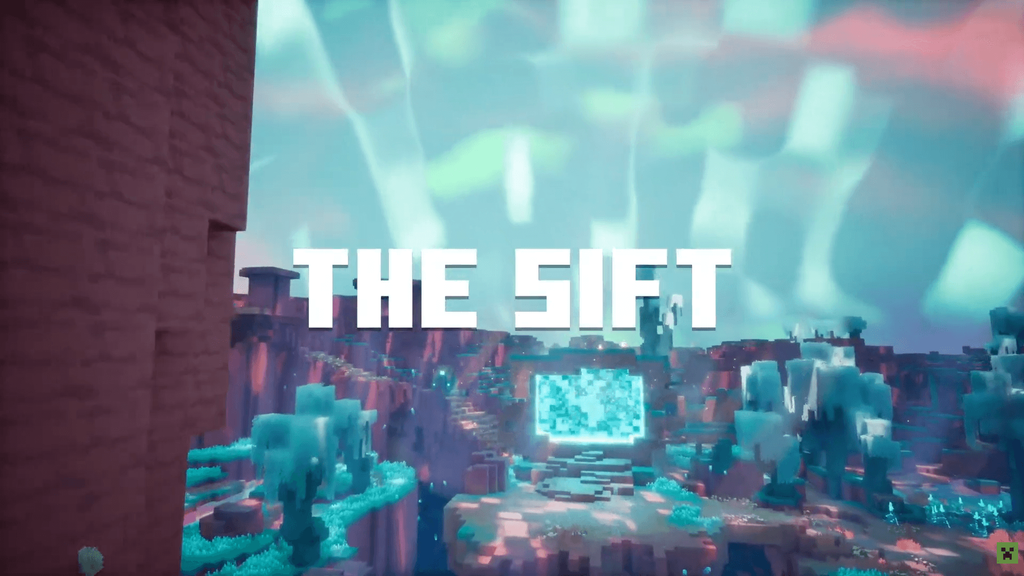
Wilderness Bound is a cozy, adventurous drop that gives explorers a new reason to travel and builders a set of long requested blocks. The Dappled Forest and its poplar trees, the mysterious Abandoned Camps, sit-able cushions, practical straw beds, and wool and concrete stairs and slabs make it one of the most charming updates of 2026. Remember that new biomes and structures need new chunks, and keep your addons and shaders updated for 26.52. And the story continues: Bedrock 26.60 is planned for October 27, 2026 to bring a native version to Nintendo Switch 2, Mojang has teased ice caves with glowing crystals and a frozen zombie variant for the next drop, and The Sift, the first new dimension in more than 14 years, is coming to Java and Bedrock in 2027. Watch the videos embedded in this article from my channel PAU07 to see Wilderness Bound on Android, and tell me in the comments which feature you enjoyed most. See you at the campfire! 🔥