

Paragraph 1 – The Beginning of Netflix (1997)
Netflix was founded on August 29, 1997, in Scotts Valley, California, by Reed Hastings and Marc Randolph. At that time, the internet was still developing, and most people watched movies by renting VHS tapes or DVDs from traditional video rental stores. The founders had a different vision: they wanted to create a company that allowed people to rent movies without having to visit a physical store. Their original business idea focused on delivering DVDs directly to customers through the mail, offering a convenient and innovative alternative to traditional movie rental services. This idea would eventually transform the entertainment industry and change the way millions of people around the world watched movies and television shows.
Paragraph 2 – The DVD Rental Business
In 1998, Netflix launched its official website and began offering DVD rentals through an online platform. Customers could browse a catalog of movies, select the titles they wanted, and receive DVDs at their homes through the postal service. Unlike traditional video rental stores, Netflix introduced a system that made renting movies easier and more comfortable. In its early years, customers generally paid for individual rentals, but the company continued experimenting with different business models to improve the experience. The use of DVDs was especially important because they were smaller, lighter, and easier to transport than VHS tapes. This innovative approach helped Netflix attract customers who wanted more freedom and convenience when choosing their entertainment.
Paragraph 3 – The Subscription Model and Company Growth
One of the most important moments in Netflix’s history occurred in 1999, when the company introduced a monthly subscription model. Instead of paying for every movie separately, customers could pay a recurring fee and rent DVDs under a subscription system. This model helped Netflix differentiate itself from traditional rental companies because it offered greater flexibility and removed the pressure of returning movies within strict rental periods. As the company improved its website, recommendation system, and delivery service, its customer base continued to grow. Netflix also developed a large movie catalog, allowing users to discover films from different genres. These improvements established the foundations of a business model that would later become one of the most influential in the digital entertainment industry.
Paragraph 4 – Netflix Becomes a Public Company
In May 2002, Netflix became a publicly traded company on the NASDAQ stock exchange under the symbol NFLX. This milestone represented an important step in its development because it provided the company with greater opportunities to raise capital and expand its operations. During this period, Netflix continued improving its DVD rental service while competing against established video rental businesses. Its recommendation technology also became an important part of the platform, helping customers find movies based on their interests and viewing habits. Although Netflix was still primarily a DVD rental company, its leaders understood that technology and internet access would eventually change the entertainment market. The company began preparing for a future in which people would expect to watch content whenever and wherever they wanted.
Paragraph 5 – The Arrival of Streaming in 2007
In 2007, Netflix introduced its streaming service, marking one of the most significant turning points in its history. Instead of waiting for DVDs to arrive by mail, subscribers could instantly watch movies and television content over the internet. At first, the streaming catalog was relatively limited, and the technology depended heavily on internet speed and device compatibility. However, the idea was revolutionary because it gave viewers the ability to enjoy entertainment without physical discs or traditional rental stores. Over time, internet connections became faster, smart televisions became more common, and mobile devices improved. These technological developments helped streaming become increasingly popular. Netflix recognized that digital distribution represented the future of entertainment and began shifting its business strategy toward online streaming.
Paragraph 6 – International Expansion
As its streaming service became more successful, Netflix began expanding beyond the United States. In 2010, the company launched its streaming service in Canada, marking the beginning of its international expansion. During the following years, Netflix entered additional markets across Latin America, Europe, and other regions. This expansion allowed people from different countries to access movies and television shows through a single subscription platform. However, international growth also created new challenges, including language differences, cultural preferences, licensing agreements, and competition from local entertainment companies. Netflix responded by expanding its selection of international content and introducing subtitles and dubbing in multiple languages. This strategy helped the company become a recognizable entertainment service in many parts of the world.
Paragraph 7 – The Era of Netflix Original Productions
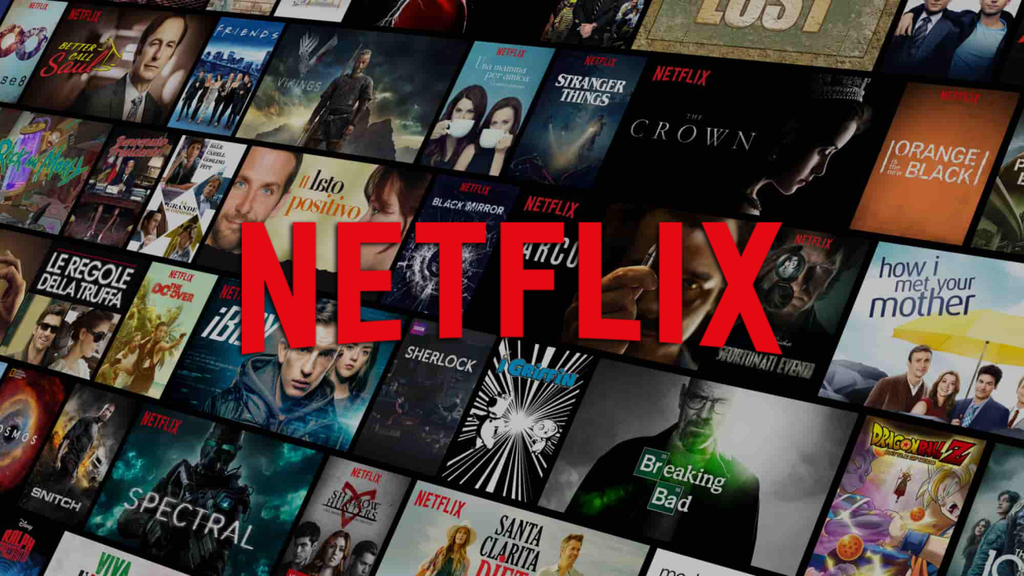
In 2013, Netflix entered a new stage by investing heavily in original productions. One of its first major successes was the political drama series House of Cards, which demonstrated that a streaming platform could produce high-quality television content capable of competing with traditional television networks. Netflix later released successful productions such as Orange Is the New Black, Stranger Things, The Crown, and many others. This strategy changed the company’s position in the entertainment industry because Netflix was no longer only distributing content created by other studios; it was also becoming a major producer of original movies, documentaries, and television series. Original productions helped the platform build its identity, attract new subscribers, and develop exclusive entertainment for audiences around the world.
Paragraph 8 – Global Success and Cultural Influence
During the second half of the 2010s, Netflix became one of the most influential companies in the global entertainment industry. Its original productions reached international audiences and generated conversations across social media, news outlets, and popular culture. Productions such as Money Heist, Dark, and Stranger Things demonstrated that successful entertainment did not necessarily have to originate in Hollywood. Netflix invested in productions from different countries, giving international creators opportunities to reach viewers beyond their local markets. The platform also transformed viewing habits by making entire seasons of many television series available at once. This encouraged binge-watching, a viewing style in which audiences watch several episodes in a single session. Netflix’s influence helped accelerate the transition from traditional television schedules to on-demand entertainment.
Paragraph 9 – Competition and New Business Strategies
As streaming became more popular, Netflix faced increasing competition from companies such as Disney+, Amazon Prime Video, Max, and other digital entertainment platforms. These competitors invested billions of dollars in exclusive movies, television series, and original productions. Netflix had to adapt to a rapidly changing market by improving its content catalog, developing new technologies, and exploring different subscription options. In 2022, the company introduced an advertising-supported subscription plan in selected markets, offering customers a lower-cost alternative. It also introduced measures to address account sharing outside individual households and continued investing in international productions, documentaries, live programming, and video games. These changes demonstrated that Netflix needed to continue innovating to maintain its position in an increasingly competitive entertainment industry.
Paragraph 10 – Netflix Today and Its Legacy
Today, Netflix is recognized as one of the world’s leading entertainment companies, with a global audience and a catalog that includes movies, television series, documentaries, animation, and other forms of digital content. Its journey from a small DVD rental business in 1997 to a major streaming platform illustrates how innovation, technology, and adaptation can transform an entire industry. Netflix changed the way people discover, select, and watch entertainment by making content available on demand across televisions, computers, smartphones, and tablets. Its history also demonstrates the importance of understanding technological changes and responding to evolving customer expectations. Although the company continues to face competition and new challenges, its impact on modern entertainment is undeniable. Netflix did not simply change how people rent movies; it helped redefine how the world experiences television and cinema in the digital age.