


Where It All Began: Music Takes Over YouTube
When YouTube launched in 2005, nobody imagined that a simple site for sharing home videos would become the biggest music platform on the planet. Within a few years, music videos, live performances, covers, lyric videos and fan uploads had turned into the most watched category on the entire site. Millions of people stopped buying CDs or downloading MP3s and simply typed the name of a song into the YouTube search bar. That habit, repeated billions of times around the world, is the true origin of YouTube Music. Google realized that its video platform was already working as a free jukebox for an entire generation, and that it was only a matter of time before it built a dedicated service around that behavior. In this article we walk through the complete history of YouTube Music, from its early experiments to the massive streaming service it is today, and what it means for creators like us.
The Music Video Era and the Rise of Official Channels
During the late 2000s and early 2010s, record labels went from fighting YouTube over copyright to embracing it as their main promotional window. Official artist channels and label partnerships brought high quality music videos to the platform, and every big release started to be measured in views. Songs that went viral on YouTube climbed the charts, and eventually YouTube views began counting toward the official Billboard charts in 2013. At the same time, Content ID gave rights holders a way to identify their music inside other people’s videos and earn money from it instead of simply taking it down. This system changed the relationship between YouTube and the music industry forever, because it turned every cover, remix, dance video and gameplay with background music into a potential source of revenue. Without that foundation of licensing deals and rights management, a paid music service built on top of YouTube would never have been possible.
YouTube Music Key: The First Experiment (2014)

In November 2014, YouTube announced YouTube Music Key, an invitation only beta that was the first real attempt to charge users for a better music experience. For a monthly fee, subscribers could listen to music videos without ads, keep the audio playing in the background while using other apps, and save songs for offline listening on their phones. As a bonus, the subscription also included Google Play Music All Access, Google’s existing streaming service that competed with Spotify. Music Key was interesting because it did not try to replace free YouTube, it simply removed the most frustrating limitations that mobile users complained about every day. Even though it never left beta, Music Key proved that people were willing to pay for background play and offline downloads, two features that are still the heart of YouTube Music Premium today. It also exposed a problem Google would struggle with for years: having two separate music services competing inside the same company.
YouTube Red: Ad-Free Everything (2015)
In October 2015, YouTube took the idea of Music Key and expanded it to the whole platform with YouTube Red. Instead of paying only for an ad-free music experience, subscribers now got ad-free viewing on every video, background playback, offline downloads and access to exclusive original series and movies produced by YouTube and its biggest creators. Music Key subscribers were automatically moved into the new service, and Google Play Music remained bundled as part of the deal. YouTube Red was ambitious, but it was only available in a handful of countries at first, so most of Latin America could not even subscribe. The name also created confusion, and many users did not understand what they were paying for. Still, YouTube Red was a turning point because it established the model that YouTube uses to this day: one subscription that improves the entire platform, with music as one of its most important pillars.
The First YouTube Music App Arrives (2015)
Just a few weeks after YouTube Red, on November 12, 2015, Google released the first standalone YouTube Music app for Android and iOS. It was designed for people who used YouTube mainly to listen to songs, and it separated music content from the rest of the platform, so you did not have to scroll past vlogs or gaming videos to find your favorite artist. The app could create endless radio stations from any song, switch between video and audio only, and use your YouTube history to recommend new music. For free users it worked as a cleaner music player, and for YouTube Red members it unlocked background play and offline mode. However, the first version felt more like an experiment than a complete streaming service. It lacked a strong library system, playlists were limited, and Google Play Music was still the official music streaming product, which left many users wondering which app they were really supposed to use.
The Big Relaunch: YouTube Music Premium (2018)

The real birth of the modern YouTube Music came in May 2018, when Google relaunched the service with a completely redesigned app, a new desktop web player and a clear subscription structure. YouTube Red was renamed YouTube Premium, and a new plan called YouTube Music Premium was created for people who only wanted the music features. The relaunched app combined official albums and singles with the huge catalog that only YouTube has: live versions, remixes, covers, acoustic sessions and rare uploads you cannot find on Spotify or Apple Music. It also introduced smarter recommendations based on location and activity, plus a search engine that could find songs even when you only remembered part of the lyrics. With this relaunch, YouTube Music stopped being an extra and became a real competitor in the global streaming war, available in many more countries, including much of Latin America.
Goodbye Google Play Music (2020)
For years Google had two music services fighting for the same users, and in 2020 it finally made a decision: Google Play Music would be shut down and YouTube Music would become the company’s only music streaming platform. Google released a transfer tool that moved playlists, likes, purchased songs and personal uploads into YouTube Music, and by the end of 2020 Google Play Music was gone for good. The transition was painful for longtime fans, because YouTube Music was still missing some features they loved. However, it also forced Google to improve the app quickly, adding the ability to upload your own music library, better offline controls and smoother integration with Android phones. YouTube Music also replaced Play Music as the default music app on new Android devices, which gave it a huge boost in visibility and turned millions of casual YouTube users into regular YouTube Music listeners.
Music Everywhere: Speakers, Watches and Cars
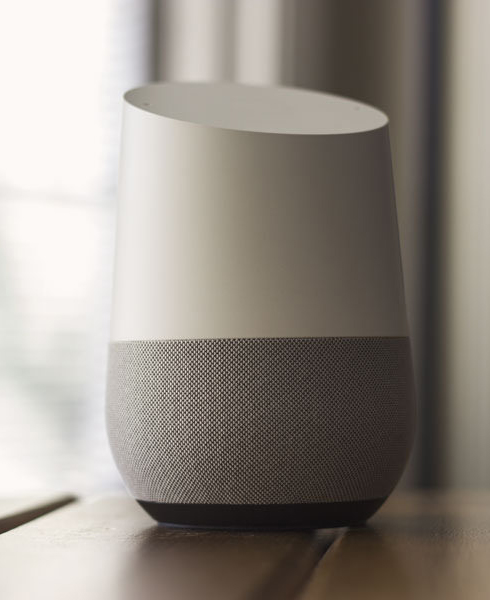
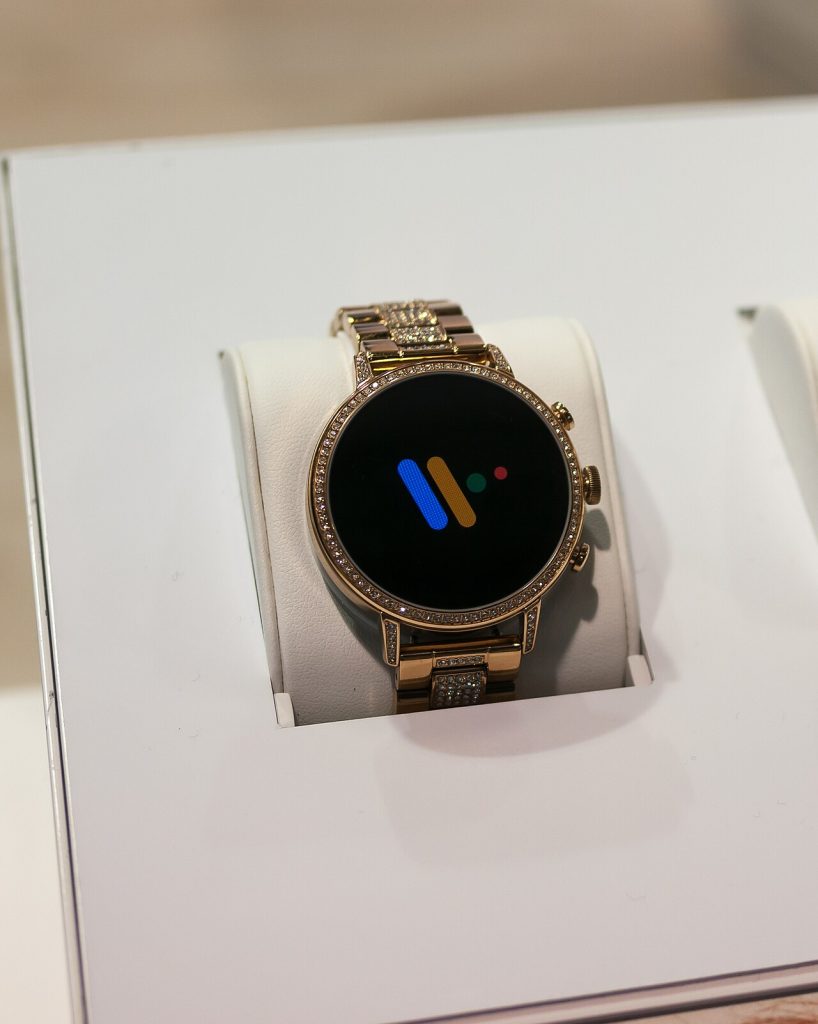
One of the smartest moves in YouTube Music’s history was expanding beyond phones and computers. The service became available on Google smart speakers and Nest displays, so users could simply ask the assistant to play a song or a mix. It arrived on smart TVs, game consoles and streaming devices, making it easy to put music videos on the big screen during a party. Android Auto and Android Automotive brought YouTube Music to the car dashboard, and smartwatches running Wear OS gained the ability to download playlists and play music without a phone nearby. This multi device strategy is important because music is something we consume all day long, while we work, study, exercise or drive. The more places YouTube Music is available, the more likely people are to choose it over competitors, and the more valuable a subscription that covers both videos and music becomes.
Smarter Features: Mixes, Lyrics and Recaps
After the relaunch, YouTube Music kept adding features that turned it into a complete streaming app. Personalized playlists like My Mix, Discover Mix, New Release Mix and Replay Mix used your listening history to suggest songs every week. Time synced lyrics appeared on screen so you could sing along, and smart downloads automatically saved music for offline listening based on what you play most. The yearly Recap feature gave users a personalized summary of their favorite artists, songs and genres, perfect for sharing on social media, much like Spotify Wrapped. Collaborative playlists, radio tuning, sleep timers and audio quality settings made the app feel more mature with every update. For many listeners in Latin America, the biggest advantage was still the catalog, since YouTube Music includes regional music, unofficial remixes and live versions that simply do not exist on other platforms.
Podcasts Join the Party (2023)
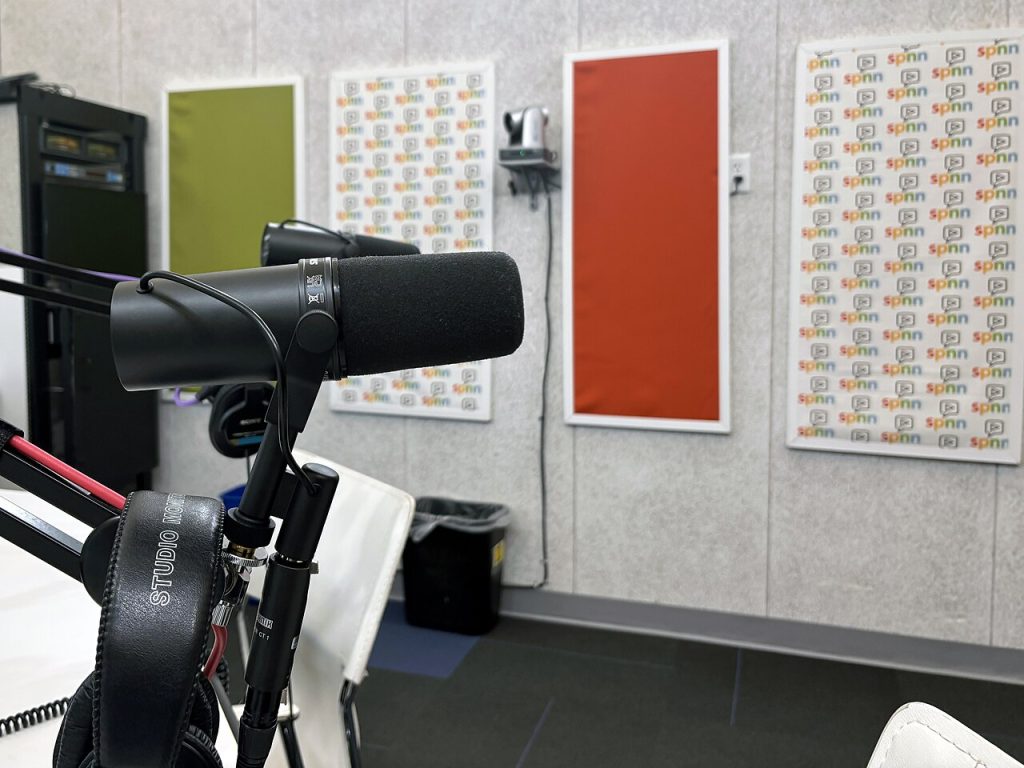
In 2023, YouTube Music started adding podcasts, beginning in the United States and later expanding to more regions. This was a natural step, because YouTube had already become one of the most popular places in the world to watch and listen to podcasts in video form. Inside YouTube Music, users could listen to podcast episodes in audio mode, continue in the background, and download them for offline listening. The feature gave YouTube Music an important tool to compete directly with Spotify, which had invested heavily in podcasts for years. For creators, it also opened a new door: a single video podcast uploaded to YouTube could now reach listeners in both the main YouTube app and the YouTube Music app. This blending of video and audio is exactly what makes the YouTube ecosystem unique, and it shows how the line between a music app and a content platform keeps getting thinner.
AI, Samples and the Future of Discovery

More recently, YouTube Music has leaned into short form content and artificial intelligence to help people discover songs. The Samples tab introduced a vertical feed of short music clips, similar to YouTube Shorts, where users can swipe through songs and instantly save the ones they like. Google also brought its search technology into the app, letting users find a song by humming or singing a few seconds of the melody. AI powered features started generating custom radio stations from simple text descriptions, such as music for studying or upbeat songs for the gym. These tools are designed to solve the biggest problem of modern streaming: there is so much music available that finding something new can feel overwhelming. By combining YouTube’s massive catalog with Google’s AI, YouTube Music wants to become not just a place to play songs, but the best place to discover them.
A Platform for Artists and Creators
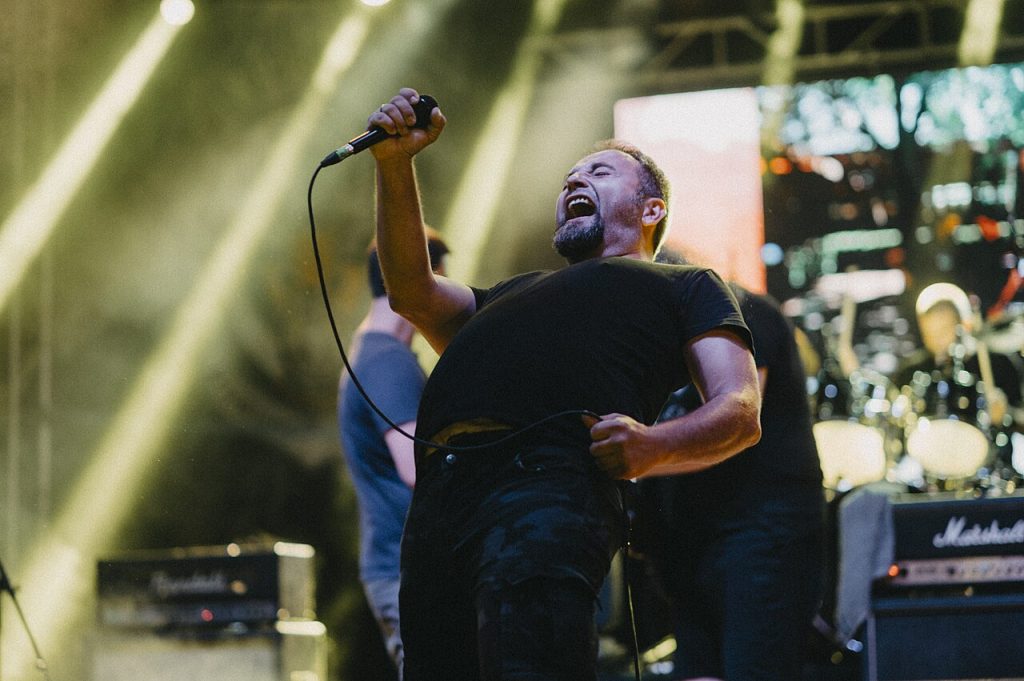
YouTube Music is not only important for listeners, it is also a powerful tool for artists. Official Artist Channels unify an artist’s topic channel and personal channel into one place, showing their music videos, albums, singles and live content together. Through YouTube Studio and YouTube for Artists, musicians can see where their listeners are, which songs are growing and how fans discover their music. Revenue comes from both ads on free listening and subscription fees from Premium members, and YouTube has repeatedly highlighted the billions of dollars it pays to the music industry every year. For independent artists and content creators, this means that a song uploaded today can reach a global audience and generate income across videos, Shorts, covers and remixes. Many artists from Colombia and the rest of Latin America have built international careers thanks to the reach that YouTube gives them.
From Experiment to Giant: 150 Million Subscribers

The numbers show just how far YouTube Music has come since the days of Music Key. YouTube Music and YouTube Premium together reached 100 million subscribers, including trials, in early 2024, and climbed to 125 million by March 2025. In October 2026, Alphabet CEO Sundar Pichai announced in the company’s third quarter earnings that the combined subscriber count had passed 150 million worldwide. Google does not reveal how many people pay only for YouTube Music, but the trend is clear: the bundle of ad-free videos plus a full music service is one of the most attractive subscriptions on the market. What started as a small beta to let people listen with the screen off has become one of the biggest streaming platforms in the world. And for creators who use YouTube every day, understanding this history helps us see where the platform is heading next and how to grow with it.
Are you a creator? Manage your channel and your music in YouTube Studio
Go to YouTube Studio