

1. Why your seed decides the first hour ⏱️
In survival mode the first hour is the most fragile part of any world. You have no armor, no bed and no food stored, and the first night arrives in about ten real minutes. The seed you choose decides how hard that hour will be. A world that spawns you in an open plains biome with trees, water and a village nearby gives you food, beds and shelter almost for free. A world that drops you in a huge ocean or the middle of a desert forces you to walk, improvise and survive the dark with very little. Neither option is wrong, but they create very different experiences. Long time players often say that the seed is the first decision of a survival run, and they are right. In the early days of Minecraft Pocket Edition worlds were tiny and limited, so this choice mattered less. Today, with infinite worlds and many biomes, choosing well can turn a frustrating start into a fun one. This guide explains what to look at before you commit, so your survival world matches the kind of adventure you actually want to live. 🌅
2. Spawn types and what they mean 🧭
Most survival seeds can be grouped by their spawn type. A village spawn is the classic easy start: you get beds to skip the night, crops to farm, chests with loot and villagers for trading later. A forest or plains spawn is balanced, with plenty of wood and animals but no free shelter. An island spawn is a challenge, perfect for players who enjoy limited resources and boats. A cave or cliff spawn is exciting because you can find iron and coal on the surface of exposed walls, but it can be dangerous at night. Then there are special starts like cherry groves, which are beautiful for builders, or mushroom fields, where hostile mobs do not spawn naturally on the surface, giving you a safe but resource poor base. Before choosing, ask yourself what you enjoy most. If you love building, pick a pretty biome. If you love progress, pick a village. If you love stories and difficulty, pick something extreme. Your seed should serve your playstyle, not the other way around, and knowing these types helps you read seed lists much faster. 🏡

3. Resources you want close to spawn ⛏️
A good survival seed puts the four basic resources within walking distance: wood, stone, water and iron. Wood and stone are almost everywhere, but iron is what unlocks a bucket, a shield and armor, so it decides how fast you progress. Since the big 1.18 terrain rewrite, ores follow new height rules. Iron is very common inside mountains and also deep underground, while diamonds are most common deep in the deepslate layers, close to the bottom of the world. That means a seed with a large mountain or an exposed cave near spawn is gold for a quick start. Large aquifers and lush caves can also be great, giving you clay, glow berries and safe water. Do not underestimate food either. Seeds with cows, pigs and sheep near spawn give you leather, wool and steady meat, and sheep mean an early bed even without a village. When you test a seed in Creative, fly around a radius of a few hundred blocks and simply note what you see. A world with all four basics close by will let you spend more time playing and less time searching. 💎
🧠 Interactive concept map
🧭 Spawn
Village = easy, forest = balanced, island = challenge, mushroom = safe but poor.
⛏️ Resources
Wood, stone, water and iron close to spawn. Mountains and exposed caves help.
🍁 Biome
Plains and forests are friendly. Dappled Forest (26.50+) hides Abandoned Camps.
🏰 Structures
Ruined portals, shipwrecks, temples and trial chambers set clear goals.
📱 Device
Dense jungles and big oceans cost FPS on low-end phones.
👫 Friends
Plenty of space, rivers for boat routes, decide the seed together.
👆 Tap any branch to open it
4. Biome strategy and the new Dappled Forest 🍁
Biomes are not just pretty backgrounds, they change your whole early game. Plains and forests are friendly. Deserts look empty but hide temples and villages, though wood is scarce. Taigas give spruce wood and sweet berries, while snowy biomes are hard because water freezes and food is limited. In 2026 the Wilderness Bound drop added a strong new candidate for survival: the Dappled Forest. It is filled with tall poplar trees in fiery colors, fallen logs and mushrooms, and it hides Abandoned Camps with chests that can help your first days. The same drop added straw beds, crafted from hay bales, which let you skip the night without resetting your spawn point, a perfect tool for long trips away from home. If you want a fresh feeling in your new world, look for a seed that spawns you near a Dappled Forest. Remember that this biome only appears in chunks generated in version 26.50 or newer, so you need a new world or unexplored land. Combining a friendly biome with new features keeps survival exciting even for veterans. 🌲
5. Structures that speed up progress 🏰
Beyond villages, several structures can boost a survival world. Ruined portals often include gold and obsidian, giving you a shortcut to the Nether. Shipwrecks and ocean ruins hide treasure maps that lead to buried chests with iron, diamonds and the valuable heart of the sea. Desert and jungle temples offer early loot, though traps can kill careless players. In the mid game, trial chambers become a great target, with vaults, trial keys and unique rewards. Ancient cities deep underground are the ultimate risk and reward, protected by the Warden. A seed that places one or two of these near spawn gives you a clear plan for your first week. However, there is a balance. Too much free loot can make survival feel empty, because the satisfaction of earning your first diamond pickaxe disappears. Many content creators prefer seeds with one strong structure and the rest left to exploration. Think of structures as checkpoints in your story. A village for the first night, a ruined portal for the Nether, and a trial chamber for later is a very natural progression. 🗺️
6. Challenge seeds for experienced players 🔥
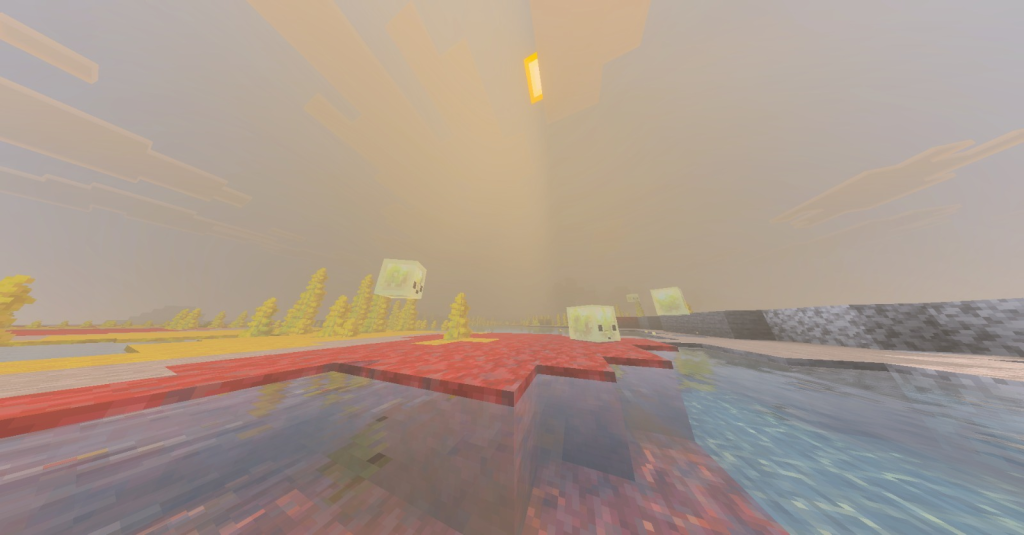
If normal survival feels too easy, a challenge seed can make Minecraft feel new again. The most famous type is the survival island, where you spawn on a small piece of land in the middle of the ocean with a few trees and nothing else. Every block suddenly matters, and building a boat to explore becomes a real adventure. Other popular challenges include desert-only starts, frozen biomes where food is rare, and deep ocean spawns that force you to dive for resources. Pairing a challenge seed with Hardcore mode, now also available on Bedrock, raises the stakes even more, because one death ends the world forever. This kind of play has a long history in the community, going back to classic maps like SkyBlock that inspired countless videos in Spanish. The trick is to choose a challenge that is hard but fair. A seed with no trees at all can become boring instead of fun. Look for worlds where the solution exists but takes creativity to reach. Those are the runs you will remember, and they make excellent content if you record your gameplay. 🏝️
7. Choosing a seed for your phone 📱
Most players in Latin America play Minecraft Bedrock on Android phones, and that changes how you should choose seeds. Dense biomes such as jungles, dark forests and lush caves contain thousands of leaves, vines and plants, which can lower your frame rate on low-end devices. Huge mountain ranges also require more chunks to look good. If your phone struggles, a seed that spawns you in plains, savanna or a calm forest will feel smoother. Pair that with sensible settings: reduce render distance, keep simulation distance at the minimum you need, and turn off fancy leaves if necessary. If your device supports Vibrant Visuals, remember that dense foliage makes it even heavier. Shaders work the same way, which is why in my videos I always separate options for low, mid and high-end phones. Another tip for mobile is to avoid spawning right next to a big ocean if you plan to use shaders with water reflections, because water rendering is expensive. A seed that looks amazing but runs at fifteen frames per second will not be fun after the first hour. Performance is part of the experience. ⚙️
| Spawn type | Early game speed | Difficulty | Phone performance | Best for |
|---|---|---|---|---|
| Village | Very fast | Easy | Good | Beginners and groups |
| Plains or forest | Fast | Easy | Very good | Balanced survival |
| Dappled Forest | Fast | Medium | Good | Trying 26.50 content |
| Mountains and caves | Medium | Medium | Medium | Iron rush |
| Jungle | Slow | Medium | Heavy | Builders and explorers |
| Survival island | Slow | Hard | Very good | Challenge runs |
| Desert | Slow | Hard | Very good | Temple hunters |
Tap a column header to sort ⇅
8. Seeds for playing with friends 👫
When you play with friends on a Realm, a server or a local world, the seed has extra responsibilities. You need enough space for everyone to build without fighting over the same mountain, and enough resources for several players at the same time. A village spawn is great for groups, but one village can run out of beds and food quickly when five people arrive. A better approach is a seed with a village plus a large forest or plains area around it, so everyone can expand. Also think about travel. If the spawn is surrounded by oceans, new players will struggle to reach the group base. Seeds with rivers or long coastlines make it easy to set up boat routes, and later you can connect everything with a Nether hub. The world owner sets the seed when creating the world, so decide together before starting. Many survival servers in our community even reveal their seed and spawn so players can plan. Talking about it beforehand avoids the classic problem where one friend loves the world and the others quit after two days because they cannot find anything. 🎮
9. Seeds, addons and experiments 🧩
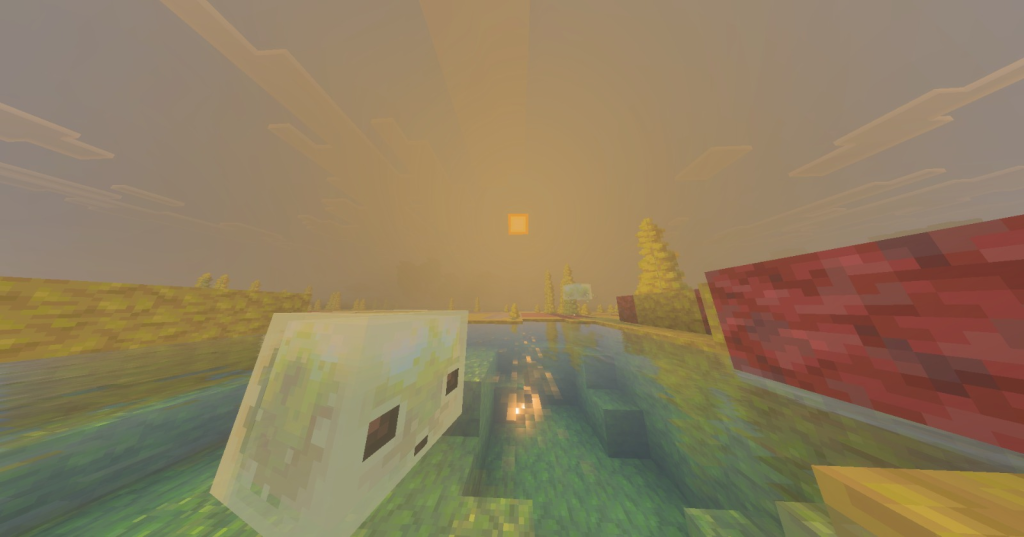
Many Bedrock players like to combine survival with addons. Most utility addons, such as dynamic lights, minimaps, backpacks or guard villagers, do not touch world generation, so they work with any seed you choose. You can see several of them in my video about the 10 best survival addons for Minecraft PE 26.x embedded in this article. However, some addons add new biomes, ores or structures, and those can make a seed generate differently than expected. The same applies to experimental toggles in world settings, which may activate preview features that change terrain. If you plan to use world generation addons, test the seed with them active, because a vanilla test will not match. Another important point: addons can disable achievements in some cases. The 26.52 hotfix fixed an issue where older worlds with Marketplace addons were disabling achievements, but community addons can still affect them. If unlocking achievements matters to you, read the addon description before activating it. Thinking about seeds and addons together from the start saves you from restarting a world you have already grown to love. 🔧
10. Your perfect seed checklist ✅
Let us put everything together. Before starting a serious survival world, decide your playstyle first: easy progress, beautiful building, challenge or group play. Then test candidate seeds in Creative and check four things: a friendly spawn biome, the basic resources within a few hundred blocks, at least one useful structure nearby, and good performance on your device. If you want the newest content, make sure the world is created in Bedrock 26.50 or newer so the Dappled Forest and Abandoned Camps can appear, and remember that sulfur caves from Chaos Cubed also need fresh chunks. Write down the seed and the version in a note so you can recreate it later. Finally, do not overthink it. Some of the best Minecraft stories come from imperfect worlds where something unexpected happened. A seed is a starting point, and your decisions are what make the world yours. If you want ideas for addons, shaders and textures to complement your new survival, check the videos on my channel PAU07, where everything is tested on real phones. Good luck on your first night! 🌙